The Role of Lighting and Visuals in Creating an Unforgettable Concert
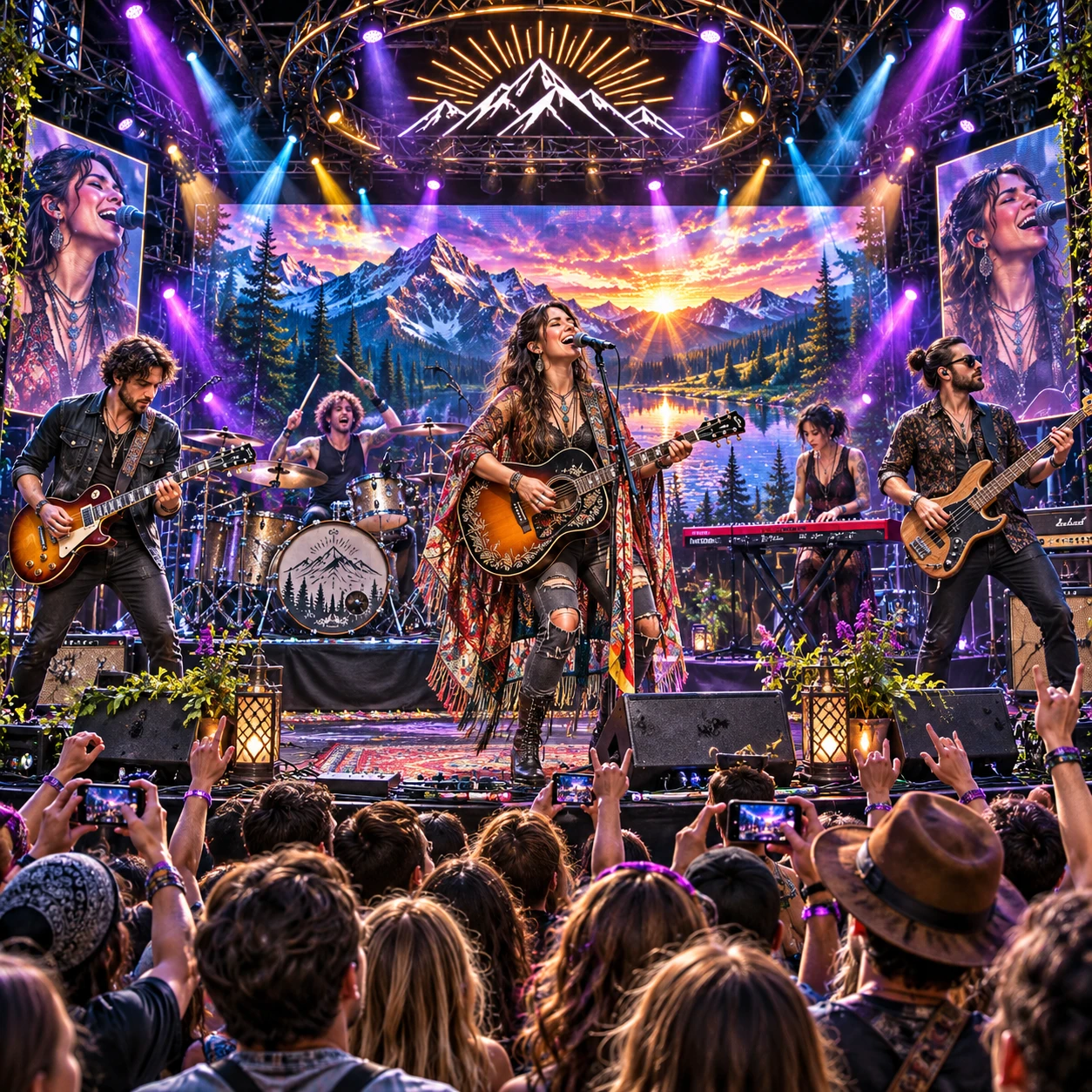
A concert is heard, but it is also seen and felt. The shift from a quiet pool of light to a brilliant chorus, or the appearance of a visual detail that echoes a lyric, can turn a live performance into a shared memory. Thoughtful concert lighting and visuals give music a physical presence, guiding attention while leaving room for the performers to lead.
That does not require a wall of screens or constant effects. The strongest production choices fit the music, the room, and the people in it. When stage design, lighting, and imagery work together, they help establish the venue atmosphere and make each moment feel intentional.
More Than Decoration: How Visuals Shape a Live Show
Concert visuals shape a live show by setting its mood, directing attention, and giving songs a visual identity. They help make a performance feel immediate and distinct from listening to the same music at home.
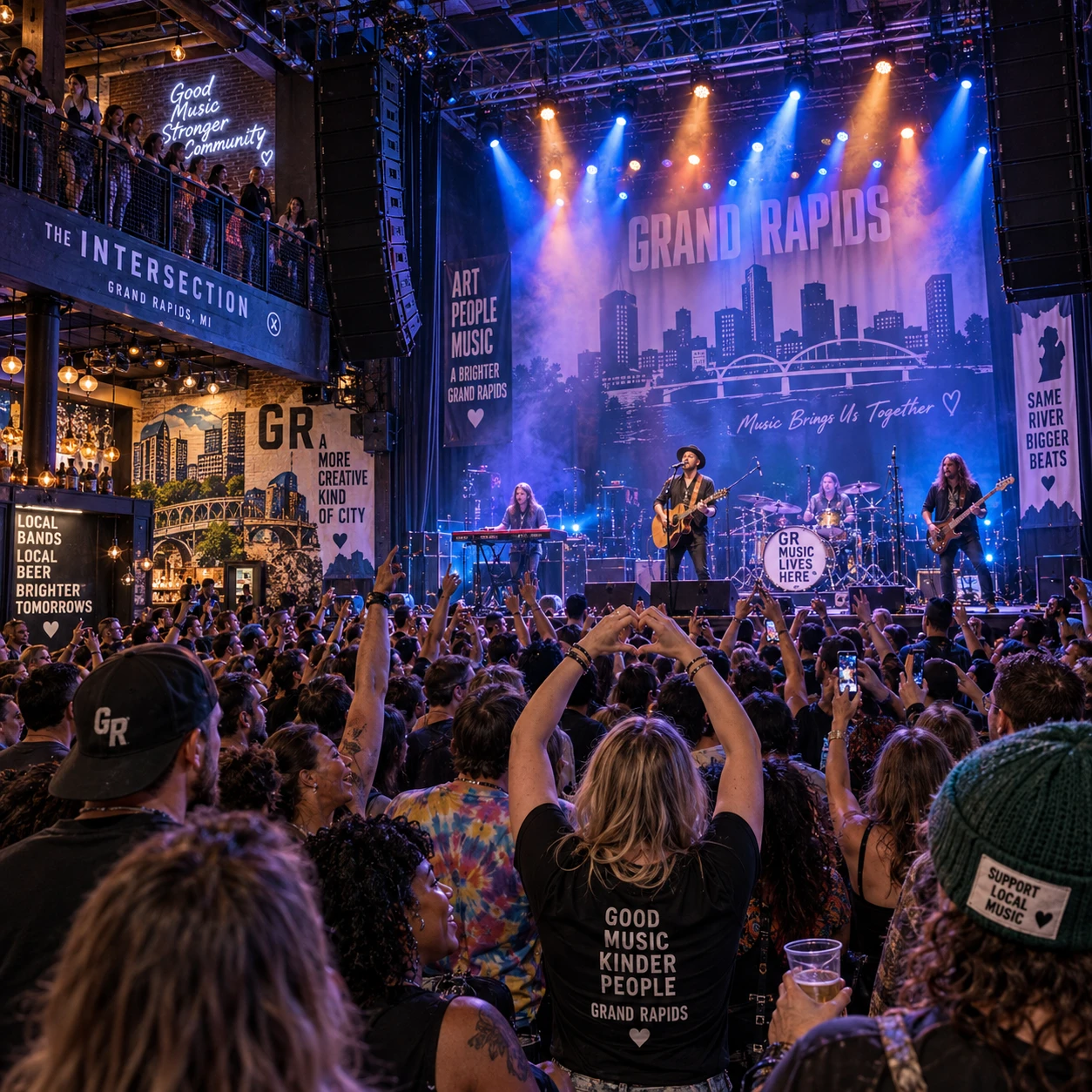
Lighting can frame a singer alone at a microphone, reveal the full band at a key entrance, or let a stage fall into shadow between songs. Each choice changes what the audience notices. A warm, low-lit scene may make a quiet verse feel intimate; a sudden burst of white light can make the first beat of a chorus feel larger.
Visuals also give a concert its own character. A simple color palette, recurring image, or deliberate change in stage picture can connect songs into a larger arc. The aim is not to illustrate every lyric. It is to create a visual language that supports the music and rewards attention.
Unlike a recording, a live show unfolds in a specific room, at a specific moment, with performers responding to the crowd. The lighting and imagery become part of that exchange. A restrained setup can be just as expressive as a large-scale production if each choice has a reason.
Lighting That Works with the Music
Concert lighting reinforces music through color, movement, contrast, and timing. When those elements follow the song’s energy and emotional shifts, the audience can feel a change before they consciously identify it.
Color can suggest temperature and mood without dictating a single interpretation. Deep blues and subdued tones may create a sense of space; warmer hues can bring a performer forward and make a room feel closer. Contrast matters just as much: a bright subject against a dark stage focuses the eye, while a more even wash makes the whole band visible.
Movement should have musical purpose. Slow sweeps can follow a sustained passage, while faster changes may suit a driving rhythm. A lighting designer might hold the stage in near-darkness through a verse, then widen the beams as the arrangement builds. The pause before the change is part of the effect.
Timing ties these choices to the performance. Lights can respond to a beat, but they can also hold back, leaving space for a vocal line or instrumental solo. Too many rapid changes can flatten a song’s dynamics and tire the audience. A useful rule is to let the music determine the pace: accents for impact, stillness for focus, and transitions that follow the arrangement rather than compete with it.
Visuals That Support the Performance
Stage design, LED screens, and visual effects support a performance when they clarify its atmosphere and scale without pulling attention away from the musicians. Their value comes from how well they fit the show, not from how much equipment they add.
Stage design establishes the physical setting. Levels, openings, backdrops, and the placement of instruments affect how performers relate to one another and how clearly the audience can see them. A clean, open stage can suit a band whose playing is the main event; a more constructed environment may help create a distinct world for a theatrical set.
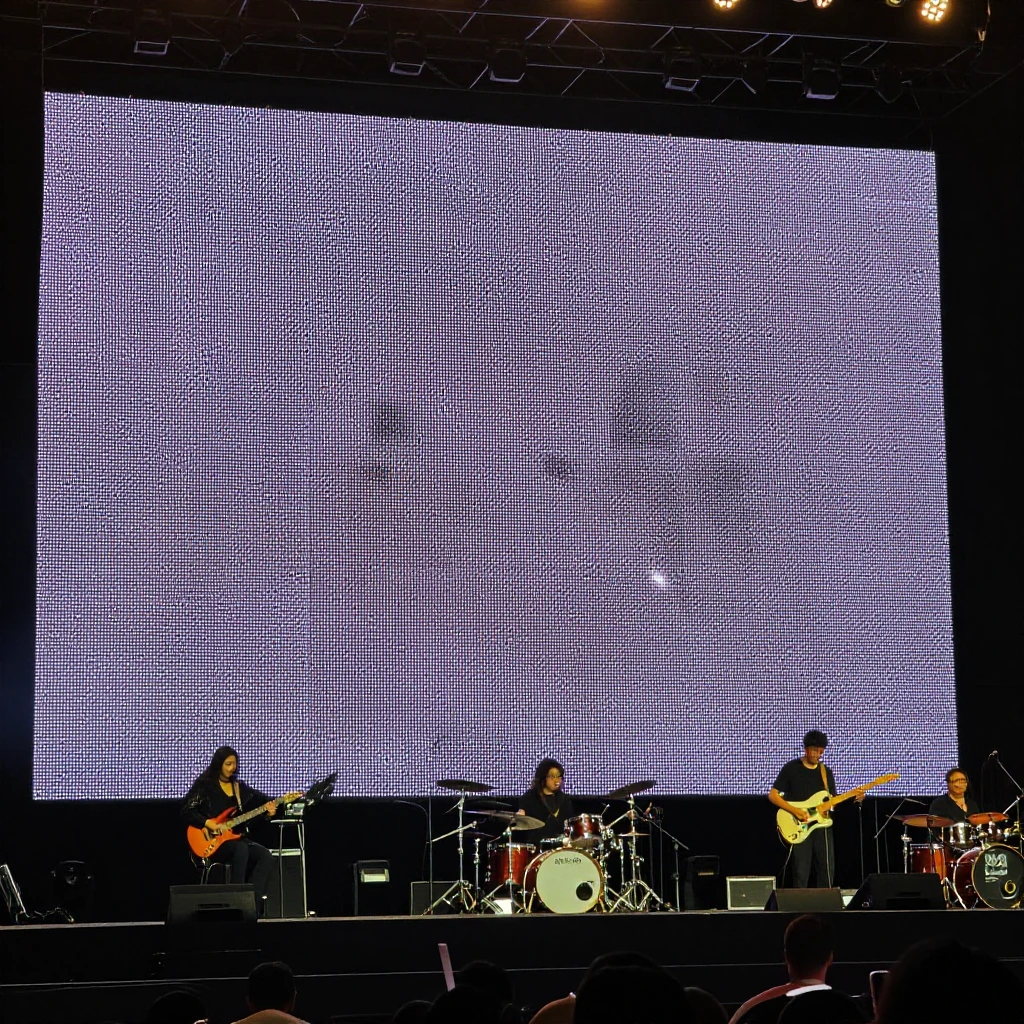
LED screens can make a performer easier to see from the back of a large room, provide close-up images, or add abstract textures that echo the music. They work best when content is legible and well timed. A screen filled with constant motion can compete with a singer’s face, while a carefully chosen image or a moment of live camera footage can make an important detail visible to more people.
Visual effects, from haze that reveals beams of light to a brief projection or confetti moment, can add emphasis. They also bring practical trade-offs: sightlines, room conditions, safety, and the flow of the set all matter. Effects should mark a meaningful moment, not become background noise.
Creating an Immersive Audience Experience
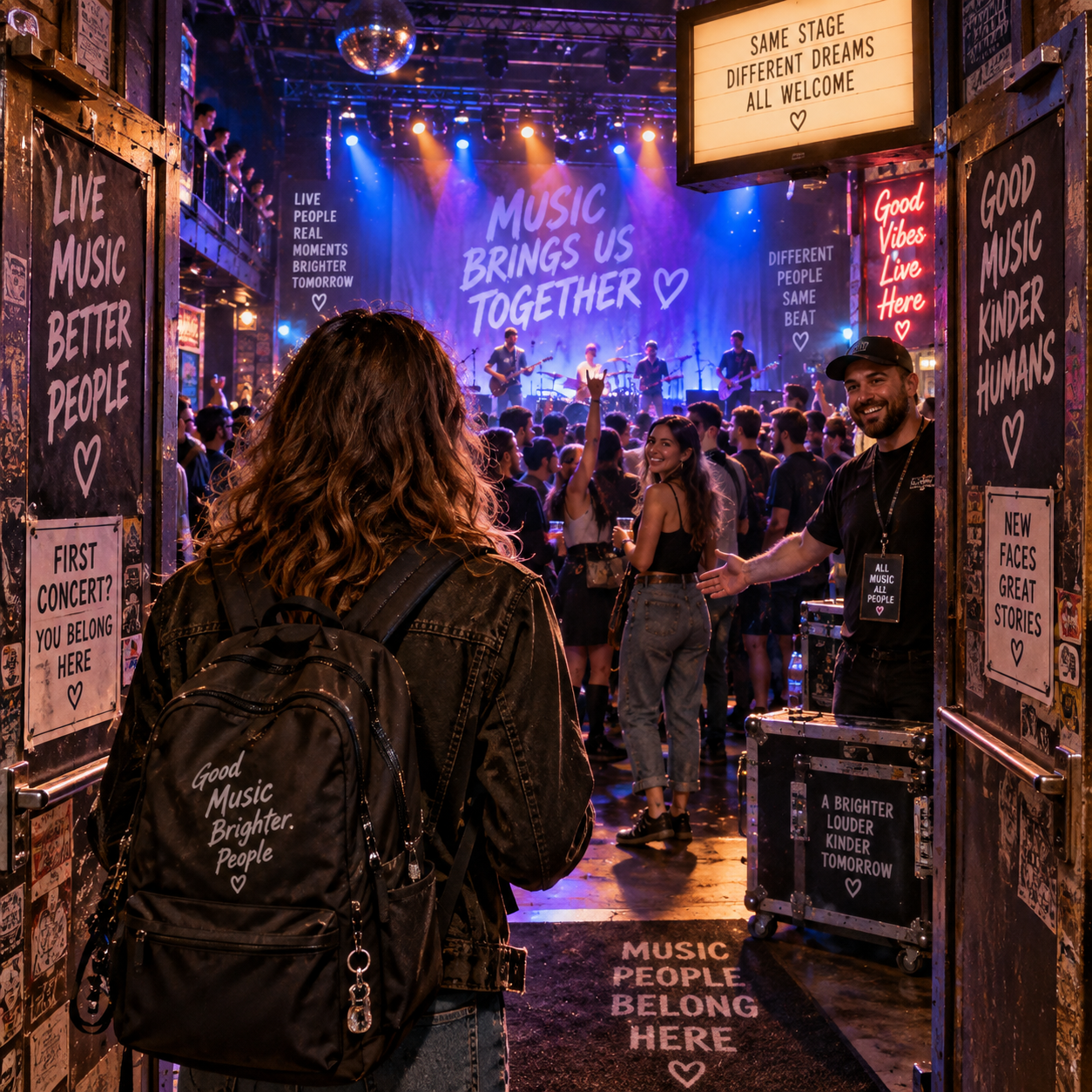
An immersive audience experience comes from combining clear sightlines, a convincing atmosphere, and moments that invite the crowd into the performance. People feel more connected when they can follow both the music and the performers’ expressions.
That connection begins with visibility. A dramatic lighting look may photograph well but leave faces in shadow for much of the show. In a venue, production choices need to work from different positions, including the sides and the back. The audience should be able to locate the lead performer, understand the stage picture, and see enough detail to feel present.
Surprise can deepen that feeling. A band might begin a song in silhouette, bring up the stage gradually, or use a single visual change at the final chorus. Because the audience has not seen the effect repeatedly, it carries more weight. Contrast between quiet and spectacle is often more memorable than spectacle alone.
Immersion also depends on the relationship between stage and crowd. Light that briefly reaches the audience can make a room feel shared, while a focused beam on one performer can create an intimate counterpoint. Neither approach suits every song. A thoughtful show varies the distance it creates: sometimes drawing listeners into a small moment, sometimes making the whole room part of the scene.
The Venue’s Role in Bringing the Vision to Life
The venue shapes what lighting and visuals can achieve through its room, stage, sightlines, and technical setup. Good production coordination adapts the creative idea to those conditions so the audience sees a coherent show.
A low ceiling, narrow stage, balcony, or unusually deep room can change how beams travel and where screens are useful. The same lighting plan will not look identical in every space. A design that works in a large hall may overwhelm a small club, where a few carefully aimed lights can preserve the room’s intimacy.
Room layout matters as much as equipment. Columns and side-stage positions can block views; screens may help in some areas but cannot fix every obstruction. Venue teams and production staff need to consider what people can see from across the room, not only from the center or the sound desk.
Coordination helps turn a plan into a smooth live performance. The lighting designer, performers, venue crew, and other production staff align cues with the set, check transitions, and account for the room’s practical limits. Clear communication also leaves space for spontaneity: a performer may extend a solo or change the pacing, and the production needs to respond without making the show feel mechanical.
Balancing Spectacle with Clarity
Effective concert production balances spectacle with clarity by making every visual choice serve the music and keeping performers easy to follow. The right scale depends on the act, the audience, and the venue, so elaborate effects are never essential to a memorable show.
A simple way to judge a production choice is to ask three questions: What should the audience notice? What feeling should the moment create? Does this effect help the music express that feeling? If an answer is unclear, the effect may be unnecessary, or it may need better timing.
Common problems often come from good intentions:
- Using constant movement: Fast changes can seem exciting during setup, but they give quiet passages nowhere to go. Save the strongest movement for sections that earn it.
- Letting screens dominate: Large images may improve visibility, yet oversized or busy content can draw eyes away from the live performers. Keep imagery relevant and allow the stage to breathe.
- Designing for one viewpoint: A centered camera or control position does not represent every seat. Review the stage from multiple parts of the room and adjust for obstructed or distant views.
When music, visuals, performers, and venue work in concert, production feels less like an added layer and more like part of the performance. Sometimes that means a dramatic reveal. Sometimes it is simply a clear view of a singer at the exact moment a lyric lands. Those choices, made with care, are what stay with an audience after the lights come up.