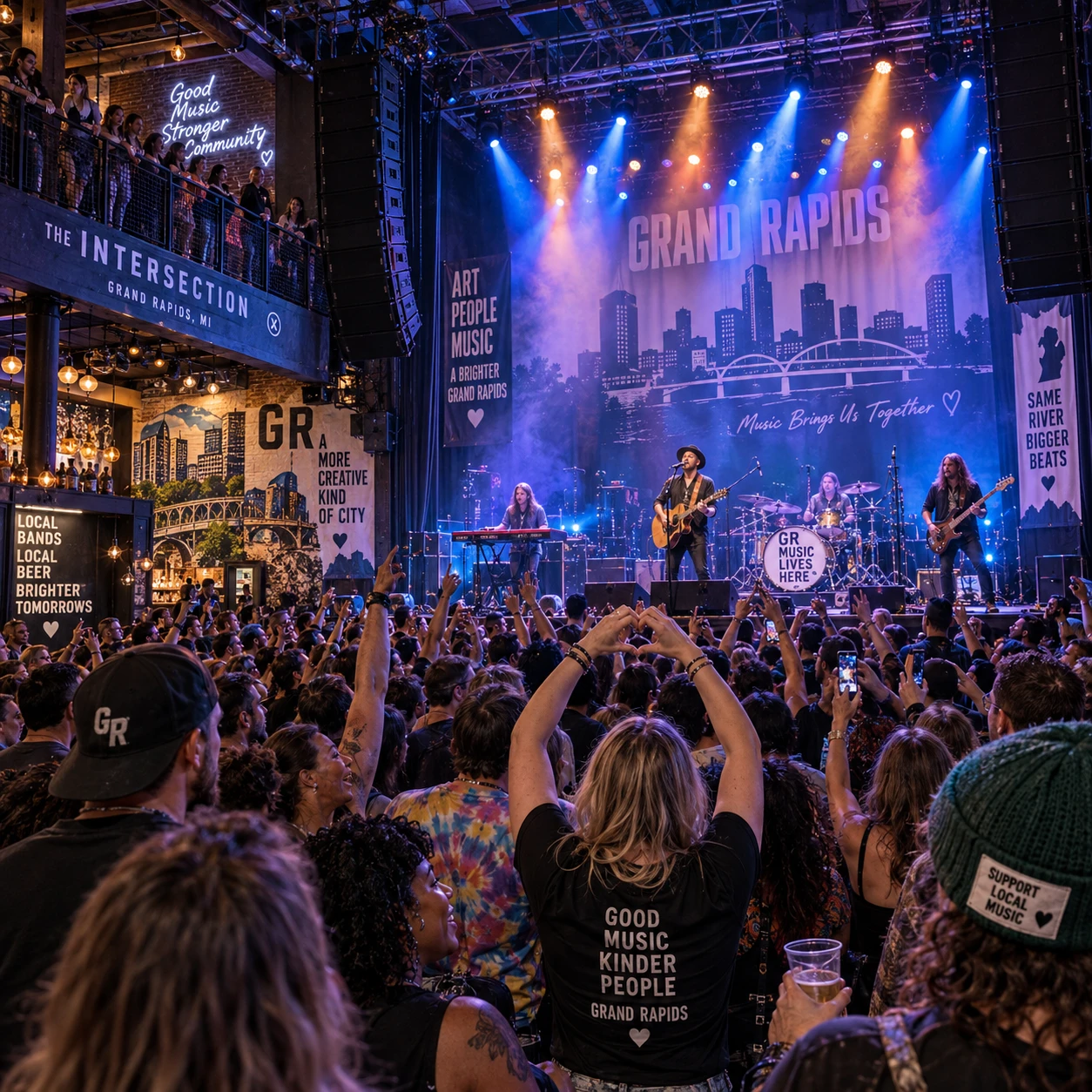

From Tickets to Encore: A First-Timer’s Guide to Attending a Live Show
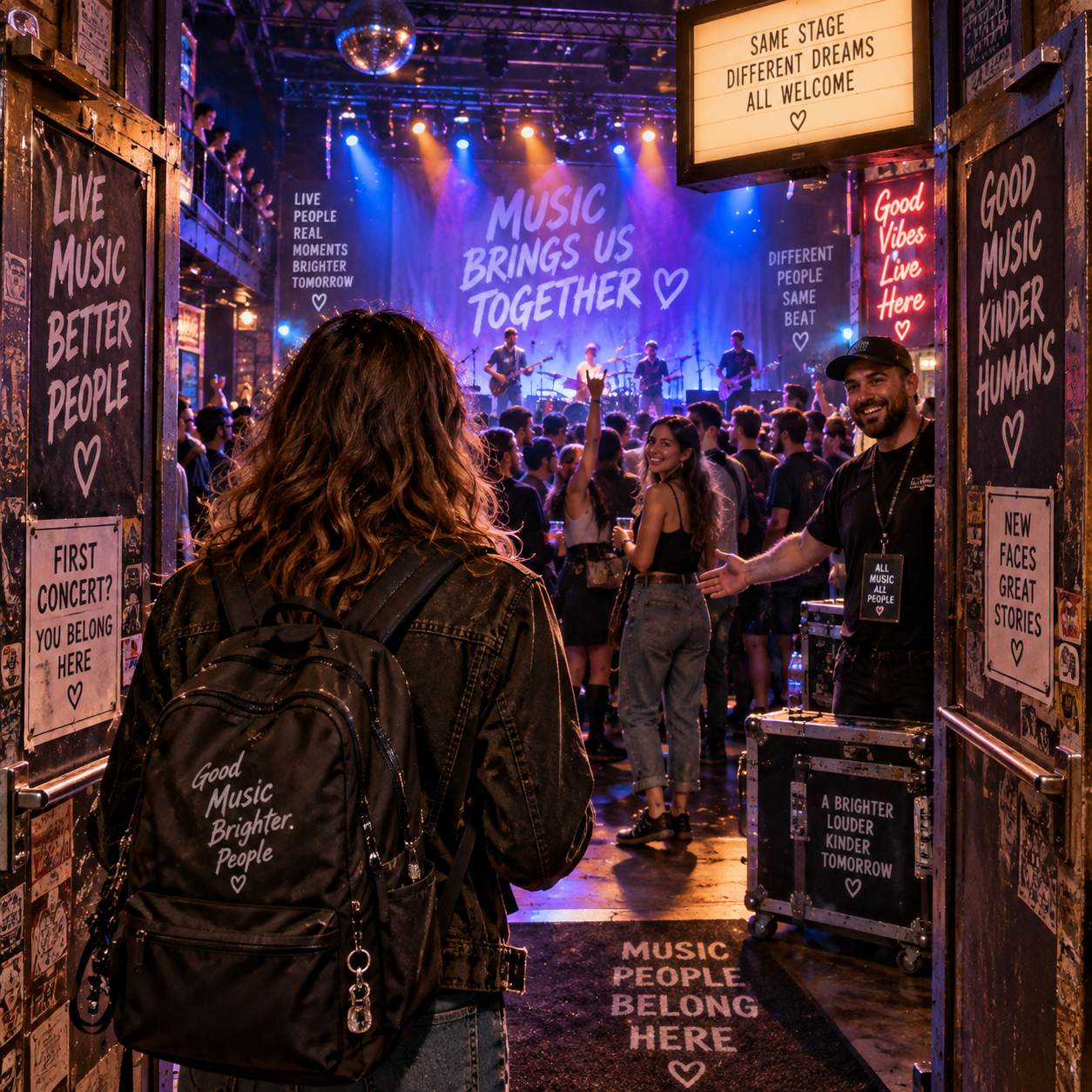
Your first live show can feel thrilling before you even reach the venue. A little preparation makes it easier to enjoy the music instead of worrying about tickets, queues, or what to do next. From checking the event details to finding your way out after the encore, here’s what to expect.
Before You Go: Check Your Ticket and the Venue Details
Before a live show, check your concert ticket and the venue’s current event information for the date, entry time, age rules, and access requirements. These details can vary from one event to another, even at the same live music venue.
Start with your ticket. Confirm the artist, date, venue address, and ticket type. If it is a mobile ticket, open it in the official app or save it to your phone’s wallet before leaving. Check whether the venue requires the original purchaser’s name, a matching photo ID, or a specific ticket-scanning method. A screenshot may not work if the barcode refreshes.
Next, look up the venue’s event page and entry requirements. Bag size, camera use, outside food and drinks, re-entry, and permitted payment methods all depend on the venue’s policy. Check age restrictions too; some shows require a guardian for younger guests or limit entry to adults.
If you have questions about accessibility, contact the venue ahead of time. Ask about step-free routes, accessible seating, companion tickets, quiet spaces, or hearing-assistance devices. Staff can explain what is available and whether you need to make arrangements before the show.
What to Bring—and What to Leave at Home
Bring your ticket, a charged phone, any required ID, and only the essentials allowed by the venue. Because bag, camera, and other item rules differ, check the policy for your specific show rather than relying on what was allowed somewhere else.
A small bag can make screening and moving through a crowd simpler, but some venues prohibit bags entirely or set strict size limits. If you can, travel light: carry your ticket, payment method, keys, and necessary medication. Keep essential items easy to reach while still secure.
- Phone and ticket: Charge your phone, make sure the ticket loads, and consider bringing a portable charger only if the venue permits it.
- Comfortable clothing: Wear shoes you can stand in and layers suited to the venue. Indoor rooms can get warm as the crowd fills in.
- Ear protection: Earplugs can reduce sound intensity while letting you enjoy the performance. They may be especially useful if you prefer a gentler listening level.
- Medication and access items: Bring what you need, and check whether the venue asks guests to declare or document particular items.
Leave prohibited items at home if possible. Some venues offer bag checks, but availability and fees vary, and you may lose time retrieving belongings. Don’t assume you can leave and re-enter if you need something from your car; confirm the re-entry policy before you go.
Arriving, Finding Your Way, and Getting Settled
Doors is the time the venue begins letting guests inside; showtime is when the performance is scheduled to begin. Arriving before showtime gives you a buffer for ticket checks, security, finding the restroom, and locating your seat or viewing area.
How early should you arrive? For a general-admission show, getting there around the doors time can give you more choice of where to stand. If you have reserved seats, arriving 20 to 30 minutes before showtime is often enough, but allow extra time for a large venue, accessibility arrangements, or a busy event. Check the ticket and event page for any recommended arrival time.
At the entrance, have your ticket ready and follow instructions from venue staff. Security screening may involve a bag check or other checks required by the venue. Once inside, look for signs to your section, floor, restroom, coat check, water stations, and exits. If you are unsure where to go, ask a staff member rather than trying doors marked for staff or restricted access.
For standing-room shows, choose a spot that suits your comfort. You can move toward the front if you want a closer view, but you do not need to be in the densest part of the crowd to enjoy the music. Taking a moment to notice the nearest exit and a place to get help can also make a new venue feel less unfamiliar.
Opening Act to Headliner: What to Expect
A live show may include an opening act before the headliner, followed by a short changeover while crews prepare the stage. The event listing may give set times, but schedules can shift, so treat them as a guide rather than a guarantee.
The opening act is a performer or group scheduled before the main artist. Their set can be a good chance to discover new music and get used to the room’s sound and atmosphere. If you arrive after they begin, staff can direct you to an appropriate entry point; you may need to wait for a break in the music before moving through a crowded area.
Between sets, technicians may adjust instruments, microphones, and lighting. This changeover can take a little while. Use the pause to get water or visit the restroom, but return promptly if you want to catch the start of the headliner. If you are hoping to hear a particular song, remember that a setlist is not always announced in advance and can change from night to night.
Live performances have their own rhythm. The sound may feel louder or more layered than a recording, and the crowd may sing, dance, clap, or stand. Let the performance unfold rather than worrying about whether you recognize every song. There is no single right way to be a fan.
Enjoy the Show and Be a Considerate Guest
Enjoy the show by staying aware of the people around you, keeping personal space in mind, and following venue staff’s directions. A little crowd awareness helps everyone see, hear, and feel comfortable.
At a standing show, avoid pushing past people or blocking the view for long stretches. If you need to leave the area, move calmly and say “excuse me.” Crowds can shift suddenly, so keep your footing and give others room. If you feel unwell or uncomfortable, move toward the edge of the crowd and ask venue staff or security for help.
Phones are useful for a quick photo, a message, or checking your ticket, but holding a screen up for long periods can block someone’s view. Follow any rules about recording, flash photography, or professional cameras. Consider putting the phone away for a few songs; it is easier to take in the sound and atmosphere when you are not watching through a screen.
Etiquette is practical, not a test. Singing along or dancing is welcome when it fits the room, while quieter moments may call for a lower voice. Be mindful of people who have chosen to listen, and respect accessibility spaces and reserved areas. If something seems wrong, tell a staff member instead of confronting another guest alone.
The Encore and Heading Home
An encore is an additional performance after the main set, often following a brief pause while the audience applauds or calls for more. Whether an encore happens, and how long it lasts, depends on the artist and the show.
When the headliner leaves the stage, the crowd may keep clapping or cheering. You can join in if you like, but there is no need to treat it as a demand or expectation. Some performers return; others end the show without an encore. If you need to leave early for transport, accessibility, or another reason, leaving before the final song is fine.
Before the event, check your route home and the last bus, train, or other connection you plan to use. Crowds may leave at once after the show, so agree on a meeting point with friends that is away from the busiest exit. Follow signs and staff directions, avoid rushing through doorways, and keep your phone and belongings secure.
If you are driving, identify your parking location before the show and expect a short wait to exit. For public transport or rideshare, use the designated pickup area and confirm the location rather than stopping in a busy traffic lane. A calm departure is part of a good night out.
First-Time Live Show FAQs
How early should I arrive at a live show?
For general admission, arriving near doors time can help you choose a viewing spot. With a reserved seat, 20 to 30 minutes before showtime is a useful starting point. Add time for security queues, venue size, travel delays, or accessibility needs, and check the event’s specific guidance.
What should I bring to a concert?
Bring your ticket, a charged phone, payment, required ID, and any essential medication or access items. Choose a small bag only if the venue allows one. Check current policies for cameras, water bottles, outside food, and other belongings before packing.
What if I arrive after the opening act starts?
You can usually still enter, but the venue may ask you to wait for a suitable pause or direct you to a safe route through the room. Keep your ticket ready and follow staff instructions. If you have a reserved seat, check your section before moving through the crowd.
Can I leave before the encore?
Yes. You can leave whenever you need to, and you do not have to stay for an encore. If an early exit will help you catch transport or avoid a dense crowd, move calmly and follow the marked route out.
Your first live show is easier when you know the essentials: verify the ticket, check the venue’s rules, arrive with a little time to spare, and ask staff when you need help. Then settle in and enjoy the music, from the opening act to the final note.