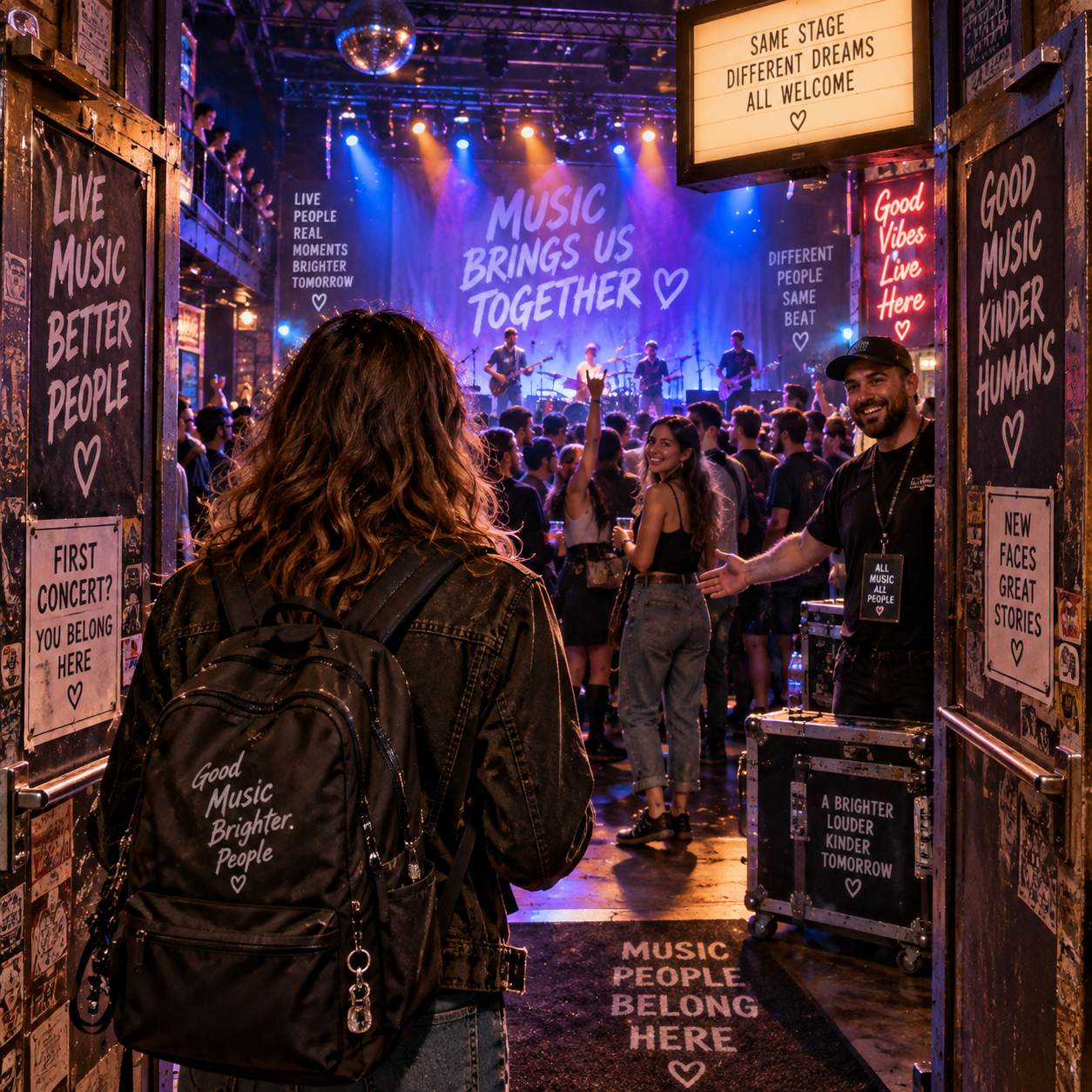

The Economic Impact of Live Music Venues on Grand Rapids
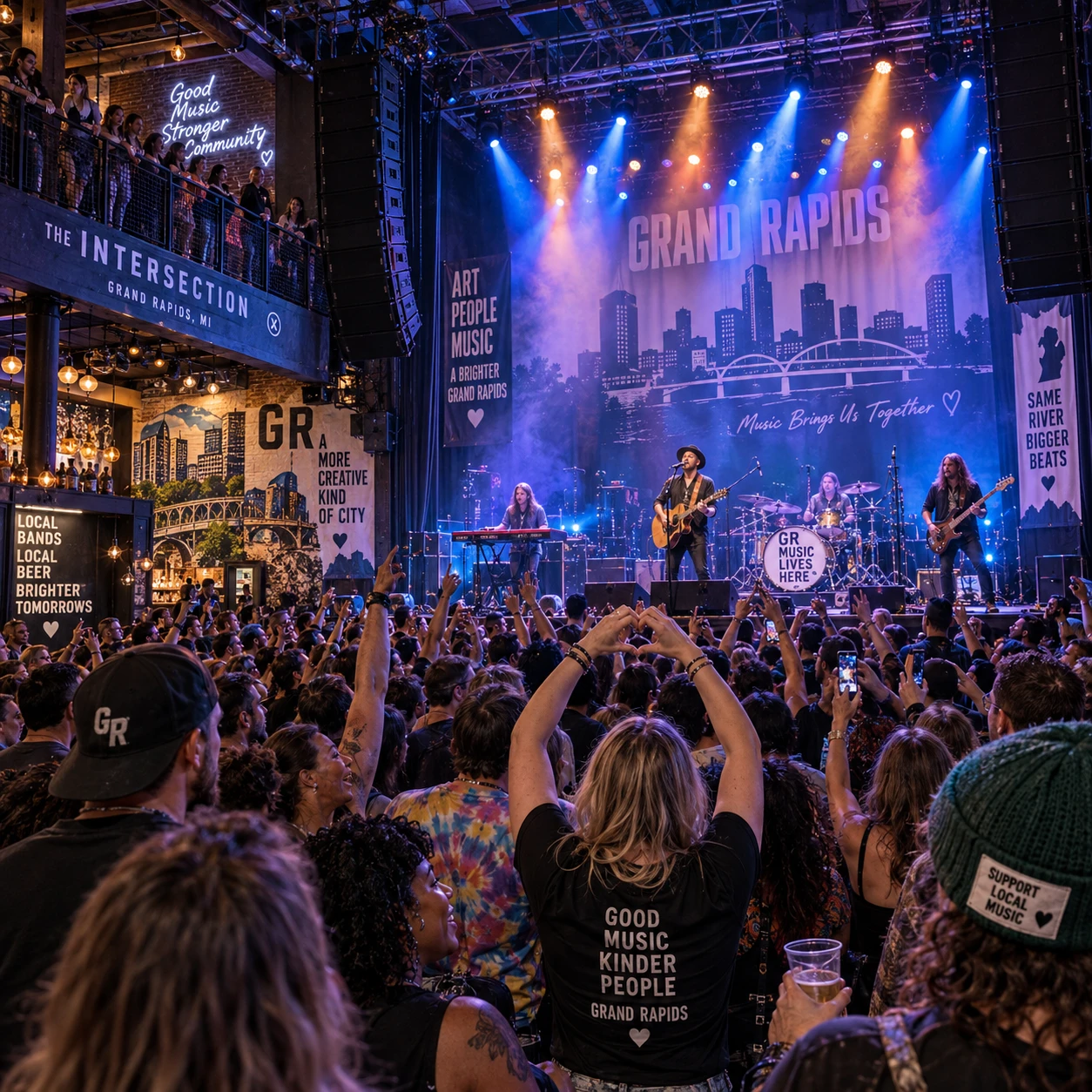
Live music venues contribute to Grand Rapids’ economy by creating work, buying goods and services, and bringing audiences into nearby commercial areas. Their impact reaches beyond ticket sales: a concert can also mean dinner at a neighborhood restaurant, a hotel stay for an out-of-town guest, or a paid shift for a local sound technician.
Those benefits are real, but not automatic. They vary with attendance, venue size, event schedules, audience habits, and how much spending stays in the region. Understanding the connections helps explain why a healthy music scene matters to artists, businesses, workers, visitors, and residents alike.
How Live Music Venues Contribute to the Local Economy
Live music venues contribute to Grand Rapids’ local economy through direct spending, local purchasing, and the additional activity that events can generate nearby. The strongest effects happen when venues, artists, suppliers, and businesses all have opportunities to serve the same audience.
Direct spending is the most visible layer. Concertgoers buy tickets, food, and drinks, while venues pay staff, artists, security teams, and production crews. Venues may also hire local companies for cleaning, equipment rental, repairs, printing, marketing, and maintenance. Each payment supports work or business revenue, though the share that remains in Grand Rapids depends on where workers and suppliers are based.
A second layer comes from local purchasing. Choosing a nearby contractor or food supplier can circulate more event revenue through the local economy than purchasing the same service from a company based elsewhere. The venue’s own costs matter, too: rent, utilities, insurance, licensing, and equipment can be substantial, so a busy show does not necessarily translate into a large profit.
There is also indirect spending. An audience member who attends a show may stop for a meal, use a rideshare or taxi, or shop before heading home. Those purchases are linked to the event, but they should not all be treated as new economic activity: some guests might have spent money in Grand Rapids that evening even without a concert. A useful way to think about impact is to separate **venue revenue**, **local supplier income**, and **additional visitor spending** rather than combining them into one inflated total.
Jobs and Opportunities Across the Music Ecosystem
Live music venues support jobs directly through event operations and indirectly through the artists and businesses that make performances possible. These opportunities include both regular positions and short-term shifts tied to a show calendar.
Venue staff may work in booking, production, sound, lighting, box-office operations, hospitality, security, cleaning, management, and marketing. A single event can bring several kinds of work together: a sound engineer checks the room, bartenders and servers prepare for guests, and ticketing or security staff manage arrivals. Some roles are full-time; others are seasonal, freelance, or paid per event.
Local musicians benefit when venues offer paid performance opportunities, repeat bookings, and a place to reach new audiences. Touring artists add another strand of activity, often relying on local stagehands, backline providers, promoters, drivers, and hospitality teams. A show can also create work for photographers, graphic designers, video crews, and instrument technicians.
These jobs are not always stable. Work can fluctuate by season, day of the week, touring schedules, and ticket demand. Freelancers may need to combine venue shifts with other clients, while emerging musicians often face costs for rehearsal, travel, and promotion. Venues strengthen the ecosystem when they provide clear pay terms, predictable scheduling where possible, and opportunities for local suppliers and artists to build lasting working relationships.
Benefits for Restaurants, Hotels, and Nearby Businesses
Concerts can benefit Grand Rapids restaurants, bars, hotels, and downtown businesses by bringing customers into the area before and after a performance. The size of that effect depends on concert timing, audience travel patterns, and whether visitors choose nearby businesses.
For a local resident, a show may prompt dinner, drinks, parking, or a late-night snack. For someone traveling from outside the city, the outing may include a hotel booking, breakfast, and additional shopping or dining. Restaurants and bars near a venue can plan staffing and inventory around event schedules, while shops and service businesses may see more foot traffic on busy nights.
Still, proximity alone does not guarantee a windfall. Some concertgoers arrive just before the doors open and leave immediately after the encore. Others bring their own plans, use a different neighborhood for dinner, or attend an event that does not overlap with business hours. Weather, parking availability, transit options, and event start times can all affect whether nearby businesses capture spending.
Coordination can make a difference. Venues can share public event details with neighboring businesses, and restaurants can offer practical pre-show service that fits the schedule. A business should avoid assuming that every show produces a surge; tracking sales on event nights against comparable non-event nights gives a more grounded picture. The goal is to make it easy for concertgoers to spend locally without making the experience feel like an obligation.
Live Music, Tourism, and Grand Rapids’ Identity
Live music supports Grand Rapids tourism by giving visitors another reason to plan an overnight stay or extend a trip. A distinctive local music scene can also add cultural character to the city’s appeal for residents and visitors.
Touring acts draw fans from outside the immediate area, while festivals and multi-day music events can encourage longer visits. Those guests may use hotels, restaurants, transportation, and other local services. The benefit depends on the event’s draw: a well-known act may attract regional travelers, while a small club show may mainly serve a local audience. Both can matter, but they work on different scales.
Venues also help shape a city’s identity through the artists they book and the communities they bring together. Regular access to live performance makes Grand Rapids more attractive to musicians, creative workers, and residents who value cultural activity. That contribution is harder to express as a ticket-revenue figure, yet it can influence how people experience a neighborhood and whether they see the city as a place with an active cultural life.
Tourism value should be described carefully. A visitor’s entire trip budget cannot automatically be credited to a concert, particularly if the person came to Grand Rapids for several reasons. A more credible view asks what the performance influenced: whether it helped prompt the trip, added a hotel night, or led to spending near the venue. That distinction keeps the case for music tourism persuasive and honest.
Challenges That Affect Venues and Their Economic Reach
Live music venues’ economic contribution can shrink when operating costs rise, attendance becomes unpredictable, or nearby businesses and visitors cannot easily connect with events. These pressures affect a venue’s ability to pay workers, book artists, and keep its calendar active.
Common pressures include rent, utilities, insurance, equipment upkeep, artist guarantees, staffing, and marketing. Ticket revenue may not cover these costs, especially for smaller rooms or events with modest attendance. A venue can sell many tickets and still face thin margins after production expenses and artist payments are accounted for.
Attendance is another uncertainty. Competing events, changes in audience spending, weather, and limited transportation options can affect turnout. On the other hand, raising ticket prices to cover expenses may put shows out of reach for some residents. Venues must balance financial sustainability with affordable access, and that balance can be difficult when costs rise faster than audiences’ willingness or ability to pay.
Several mistakes can obscure what is happening:
- Counting every nearby purchase as new spending. Some customers would have visited Grand Rapids anyway. Compare event nights with similar dates and account for visitor origin where practical.
- Assuming a full room means a healthy business. Staffing, production, rent, and artist costs all affect the final result. Look at operating costs as well as attendance.
- Treating venue and neighborhood benefits as guaranteed. Spending may bypass nearby businesses. Make event information accessible and build useful connections with local restaurants, hotels, and services.
These limitations do not erase the value of live music. They show why a resilient scene depends on sound operations, repeat audiences, fair working relationships, and realistic expectations about the revenue each event can generate.
Supporting a Stronger Local Live Music Scene
Residents, businesses, and visitors can support Grand Rapids live music venues by attending shows, spending locally when it suits them, and helping artists and venues reach audiences. Consistent participation is more useful than assuming one sold-out event will solve long-term financial pressures.
For concertgoers, a practical approach is to choose local shows, buy tickets through official venue or artist channels, and arrive in time to support the full event. If you are already planning to eat or stay nearby, consider a Grand Rapids restaurant or hotel. Sharing event information can help, too, particularly for smaller performances that rely on word of mouth.
Businesses can work with venues on offers that fit real customer needs, such as a pre-show meal reservation window or clear information about nearby parking. They can also coordinate around event dates and communicate capacity honestly. These partnerships are most effective when they are simple to use and mutually beneficial, rather than built on the assumption that a concert guarantees extra sales.
Venues can strengthen local ties by booking Grand Rapids musicians, hiring local suppliers when feasible, and making event details easy to find. For residents, attending a range of shows helps sustain different parts of the scene, from small rooms developing new acts to larger spaces hosting touring artists. Each venue serves a different audience and carries different costs, so support can take different forms.
Frequently Asked Questions
How do live music venues support local jobs?
Venues employ or contract people in booking, sound, lighting, security, box office, hospitality, cleaning, and marketing. Shows can also create paid work for musicians, stagehands, photographers, equipment suppliers, and other local service providers.
Do concerts benefit businesses near venues?
They can. Concertgoers may eat, drink, park, shop, or stay at nearby businesses, but the effect varies by event and customer behavior. A venue’s location alone does not guarantee extra sales for neighboring businesses.
How can residents support Grand Rapids music venues?
Attend local shows, buy tickets from official sources, share event information, and consider using nearby restaurants and services when they fit your plans. Returning regularly helps venues and artists build a more dependable audience.
What challenges can affect a venue’s economic contribution?
High operating costs, uneven attendance, staffing needs, artist fees, and limited transportation or visitor spending can all reduce the benefits a venue generates. Rising ticket prices may also make it harder for some audiences to attend.
Grand Rapids’ live music venues create economic activity through performances, employment, local purchasing, and the audiences they bring together. Their contribution is strongest when venues can operate sustainably and when artists, suppliers, concertgoers, and neighboring businesses all have a meaningful place in the city’s music economy.